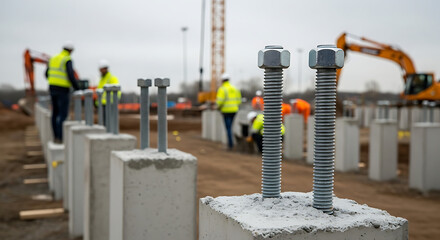
Concrete is one of the most widely used building materials in the world, yet many people rarely think about the expertise required to transform it into durable structures that last for decades. From foundations and driveways to commercial buildings and decorative outdoor spaces, concrete plays a critical role in countless construction projects. While it may appear simple once it has hardened, every successful concrete installation depends on careful planning, skilled workmanship, proper timing, and attention to detail.
Understanding what concrete construction services include helps property owners appreciate the value of quality craftsmanship and make informed decisions when planning residential or commercial improvements. Go to https://www.gkconstructionsolutions.com/ for more information.
What Are Concrete Construction Services?
Concrete construction services involve the planning, preparation, placement, finishing, and repair of concrete structures used in residential, commercial, and industrial projects. These services cover a wide range of applications, including foundations, sidewalks, driveways, patios, retaining walls, slabs, parking areas, floors, stairs, and decorative concrete features. Each project requires careful coordination to ensure the finished concrete performs safely while meeting both structural and aesthetic requirements. Proper installation allows concrete to provide dependable performance for many years under normal use. Quality workmanship remains essential from the earliest stages of construction through the final finish.
Concrete construction extends beyond simply pouring a mixture into forms. Every project begins with evaluating site conditions, preparing a stable base, placing reinforcement when needed, and selecting finishing techniques appropriate for the intended use. The curing process also plays an important role because concrete continues gaining strength after installation. Understanding the complete construction process helps explain why experienced workmanship contributes significantly to long-term durability. Every stage affects the finished product.
What Types of Projects Use Concrete Construction Services?
Concrete is used in an extraordinary variety of construction projects because of its versatility and structural strength. Residential applications commonly include foundations, driveways, walkways, patios, garage floors, pool decks, and outdoor living spaces. Homeowners also use decorative concrete to create attractive surfaces that resemble natural stone, brick, or tile while maintaining the durability of concrete. These improvements combine functionality with visual appeal, making concrete one of the most flexible building materials available. Its adaptability allows it to complement nearly every architectural style.
Commercial and industrial projects also rely heavily on concrete construction services. Office buildings, warehouses, manufacturing facilities, retail centers, parking lots, loading areas, sidewalks, and structural slabs all depend on properly installed concrete. These projects often require larger pours, specialized reinforcement, and careful coordination to meet demanding performance requirements. Because commercial structures experience significant daily use, concrete provides the durability necessary to support long-term operation. Its strength makes it an essential material across many industries.
Why Is Proper Site Preparation So Important?
Every successful concrete project begins long before the concrete is placed. Site preparation establishes the stable foundation that supports the finished structure throughout its lifespan. Existing soil conditions must be evaluated to ensure the ground can adequately support the planned installation. In some situations, grading, compaction, or additional base materials may be necessary to create a level and stable surface. Proper preparation reduces the likelihood of future settlement and helps the finished concrete perform as intended.
Drainage also plays a major role during site preparation. Water that collects beneath or around concrete surfaces can contribute to movement, erosion, or other long-term concerns if not managed properly. Careful grading directs water away from the finished structure while protecting the underlying base. Planning for effective drainage before construction begins helps preserve both appearance and structural integrity over time. Attention to these details creates a stronger foundation for the entire project.
How Does the Concrete Installation Process Work?
Once preparation has been completed, forms are positioned to establish the final shape and dimensions of the concrete. Reinforcement may also be installed depending on the structural requirements of the project. These reinforcing materials help improve the concrete’s ability to withstand loads and resist cracking under certain conditions. Every component must be positioned accurately before the concrete is placed because adjustments become much more difficult afterward. Careful preparation contributes directly to the quality of the finished installation.
After placement, the concrete is leveled, finished, and shaped according to the intended application. Some surfaces receive smooth finishes for indoor flooring, while others incorporate textures that improve traction for outdoor use. Decorative finishes may also be applied to create patterns or visual interest. Once finishing has been completed, the curing process begins. Proper curing allows the concrete to develop strength gradually while improving its long-term durability and performance.
What Are the Benefits of Professional Concrete Construction Services?
One of the greatest advantages of professional concrete construction services is the quality of the finished installation. Every stage of the project, from preparation and placement to finishing and curing, requires careful timing and technical knowledge. Experienced workmanship helps ensure the concrete performs reliably while achieving the desired appearance. Proper installation also supports long-term structural integrity by reducing the likelihood of preventable issues developing later. Investing in quality workmanship often results in better long-term value.
Professional construction also contributes to greater project efficiency. Coordinating equipment, scheduling, site preparation, and installation activities allows work to progress in an organized manner. Careful planning minimizes unnecessary delays while helping ensure each stage is completed under appropriate conditions. This organized approach improves consistency throughout the project while supporting higher quality results. Effective coordination benefits both residential and commercial construction projects alike.
How Can Decorative Concrete Enhance a Property?
Concrete no longer serves only structural purposes because decorative techniques have expanded its design possibilities considerably. Stamped concrete creates the appearance of stone, brick, slate, or wood while maintaining the strength of a concrete surface. Colored finishes allow homeowners and property owners to coordinate concrete with surrounding architecture, landscaping, and exterior materials. Decorative scoring and textured finishes introduce additional visual interest without sacrificing durability. These design options make concrete an attractive architectural feature rather than simply a functional surface.
Decorative concrete also supports greater design consistency throughout a property. Driveways, patios, walkways, pool decks, and outdoor seating areas can all incorporate similar colors and patterns to create a cohesive landscape. This coordinated appearance strengthens the relationship between different outdoor spaces while improving overall curb appeal. Combining functionality with visual appeal increases the value of decorative concrete for many construction projects. Thoughtful design enhances both beauty and usability.
How Can Concrete Structures Be Maintained?
Although concrete is known for its durability, routine maintenance helps preserve its appearance and long-term performance. Keeping concrete surfaces clean removes dirt, debris, and environmental buildup before they affect the finish. Periodic inspections also allow property owners to identify minor cracks or surface wear before they become more significant concerns. Addressing small maintenance issues promptly often extends the lifespan of the installation. Preventive care protects the investment over time.
Protective sealers may also be applied to certain concrete surfaces depending on their location and intended use. These sealers help reduce moisture penetration while preserving decorative finishes and minimizing the effects of weather exposure. Outdoor concrete benefits particularly from regular inspection because changing environmental conditions naturally affect surface materials over time. Consistent maintenance supports both structural performance and visual appeal. A well-maintained concrete surface continues serving its purpose for many years.
Final Thoughts
Concrete construction services provide the foundation for countless residential, commercial, and industrial projects by combining structural strength with long-term durability. From site preparation and reinforcement to placement, finishing, and curing, every stage contributes to the performance of the completed structure. Whether installing foundations, driveways, patios, decorative concrete, sidewalks, or commercial slabs, quality workmanship plays a critical role in achieving reliable and attractive results. With thoughtful planning, proper installation, and routine maintenance, concrete continues delivering dependable performance while enhancing the functionality and appearance of a property. For property owners seeking lasting value and versatility, concrete construction services remain one of the most practical investments in modern construction.