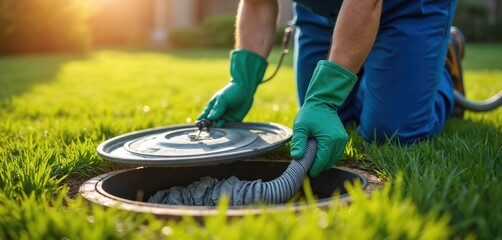
Owning a home comes with countless maintenance responsibilities, and some of the most important systems are also the easiest to overlook. A septic system works quietly beneath the ground every day, processing household wastewater without demanding much attention. Because it operates out of sight, many homeowners postpone maintenance until something goes wrong.
Unfortunately, waiting for warning signs often leads to expensive repairs that could have been avoided through regular service. Understanding how routine Septic Service Fresno saves money helps homeowners see maintenance as an investment rather than an unnecessary expense, protecting both their property and their budget over the long term.
Why Is Routine Septic Service Important?
Routine septic service helps keep every part of the septic system operating efficiently before small issues become major problems. Every time water flows down a drain, solid waste begins accumulating inside the septic tank while liquid wastewater continues toward the drain field. Although natural bacteria break down part of the waste, sludge and scum continue building up over time. Without regular service, these materials eventually reduce the tank’s capacity and interfere with normal wastewater treatment. Scheduled maintenance helps remove this buildup before it affects the performance of the entire system.
Routine service also provides opportunities to evaluate the condition of important system components. During maintenance visits, professionals inspect visible areas of the tank, evaluate wastewater flow, and look for early signs of wear or damage. Small concerns that may not produce noticeable symptoms are often identified before they become costly repairs. Addressing these issues early usually requires less time, fewer materials, and lower overall expense than responding to a complete system failure. Preventive care protects the septic system while reducing the likelihood of unexpected emergencies.
How Does Regular Pumping Prevent Expensive Repairs?
One of the biggest financial benefits of routine septic service comes from regular septic pumping. As solid waste accumulates inside the tank, it gradually reduces the amount of space available for wastewater separation. If pumping is delayed too long, solids may begin leaving the tank and entering the drain field. Once this happens, underground pipes and surrounding soil can become clogged, making wastewater treatment far less effective. Repairing or replacing a damaged drain field is often one of the most expensive septic system repairs a homeowner can face.
Regular pumping removes accumulated sludge before it reaches dangerous levels. By restoring the tank’s capacity, pumping allows wastewater to continue flowing through the system as intended. This preventive maintenance significantly reduces stress on the drain field and other system components. Instead of paying for major structural repairs later, homeowners invest in routine service that helps preserve the existing system. Over many years, this consistent maintenance often results in substantial financial savings.
Can Early Inspections Reduce Repair Costs?
Routine inspections are another valuable part of septic maintenance because they allow developing problems to be identified while they are still relatively minor. Septic systems operate underground, making it difficult for homeowners to recognize hidden issues without professional evaluation. During inspections, technicians examine accessible components for signs of wear, damage, restricted flow, or structural concerns. Identifying these issues early allows repairs to be completed before they affect larger portions of the system. Early detection frequently prevents expensive emergency situations.
Small cracks, damaged baffles, loose fittings, or drainage concerns may not produce obvious symptoms during the early stages of deterioration. Left unaddressed, however, these minor issues can gradually worsen until they interfere with the operation of the entire septic system. Correcting a small maintenance issue is usually far less expensive than repairing extensive damage caused by prolonged neglect. Routine inspections provide homeowners with valuable information about the condition of their system while helping them plan maintenance before major failures occur. Preventive evaluation is often one of the most cost-effective aspects of septic ownership.
How Does Routine Service Protect the Drain Field?
The drain field is one of the most valuable components of any septic system because it completes the wastewater treatment process. Although it remains hidden beneath the ground, its performance depends heavily on the condition of the septic tank. When solids are allowed to leave an overfilled tank, they begin accumulating inside the drain field where they reduce the soil’s ability to absorb wastewater properly. Once this damage occurs, restoration can become both difficult and expensive. Protecting the drain field is therefore one of the primary reasons routine septic service is so important.
Regular maintenance keeps solids inside the tank where they belong until they are removed during scheduled pumping. Professionals also monitor system performance for signs that the drain field may be experiencing unnecessary stress. By preserving proper wastewater flow, routine service helps extend the lifespan of one of the system’s most expensive components. Homeowners who maintain healthy drain fields often avoid repair projects that could otherwise cost far more than years of preventive maintenance combined. Long-term savings begin with protecting the entire system rather than focusing only on the septic tank.
How Do Everyday Habits Affect Maintenance Costs?
Daily household habits play a significant role in determining how efficiently a septic system operates. Excessive water usage places additional strain on the tank because wastewater enters faster than solids can separate properly. Repairing leaking faucets, fixing running toilets, and spreading laundry loads throughout the week help reduce unnecessary stress on the system. Responsible water conservation allows the septic tank to function more efficiently while reducing wear on the drain field. These simple habits complement routine professional maintenance and contribute to lower long-term costs.
Proper waste disposal habits are equally important. Grease, cooking oils, paper towels, wipes, feminine hygiene products, and other non biodegradable materials should never enter the septic system. These materials accumulate more rapidly than normal household waste and increase the likelihood of blockages or premature pumping needs. Homeowners who dispose of waste responsibly often experience fewer service interruptions and lower maintenance expenses. Good daily habits support the effectiveness of routine septic service while extending the overall lifespan of the system.
Can Preventive Maintenance Increase Property Value?
A well-maintained septic system contributes to the overall condition and value of a property. Prospective buyers often appreciate knowing that major home systems have been cared for consistently over time. Maintenance records demonstrating regular pumping and inspections provide reassurance that the septic system has received appropriate attention. This confidence may reduce concerns during property evaluations while supporting smoother real estate transactions. Responsible maintenance protects both the home’s functionality and its long-term market appeal.
Routine septic service also helps homeowners avoid visible signs of neglect that may negatively affect a property’s appearance. Standing water, persistent odors, slow drains, or damaged landscaping caused by septic failures can reduce curb appeal and create concerns about hidden structural issues. Preventive maintenance minimizes the likelihood of these visible problems developing. Protecting the septic system therefore supports not only financial savings through reduced repairs but also the overall presentation of the property. Investing in maintenance contributes to long-term property preservation.
Why Is Preventive Service Better Than Emergency Repairs?
Emergency septic repairs often occur with little warning and frequently require immediate attention to restore normal household function. Sewage backups, overflowing tanks, and drain field failures create stressful situations that may interrupt daily life while requiring urgent repairs. Because emergencies usually involve more extensive damage, they often cost significantly more than routine maintenance performed on a predictable schedule. Preventive service reduces the likelihood of these unexpected situations by addressing developing issues before they become critical.
Scheduled maintenance also allows homeowners to budget for routine care rather than facing sudden large repair bills. Predictable service appointments create opportunities to plan household expenses more effectively while reducing financial surprises. Preventive care supports consistent septic performance and minimizes disruptions caused by emergency system failures. Instead of reacting to expensive problems, homeowners remain in control of maintenance through regular inspections and pumping. Over time, this proactive approach often produces substantial financial benefits.
Final Thoughts
Routine septic service is one of the smartest investments homeowners can make to protect both their property and their finances. Regular pumping, professional inspections, early repairs, and responsible household habits all work together to preserve the health of the septic system while preventing costly failures. Maintaining the septic tank and protecting the drain field significantly reduces the likelihood of major repair expenses that often result from neglected maintenance. By viewing routine septic service as preventive care rather than an unnecessary cost, homeowners can extend the life of their system, avoid unexpected emergencies, and enjoy dependable wastewater treatment for many years. Consistent maintenance ultimately saves money while providing greater peace of mind and long-term property protection.