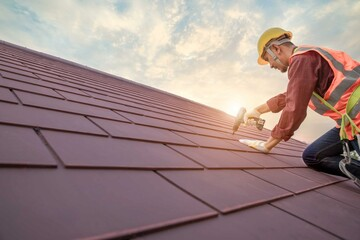
A roof is one of the most important parts of any home, yet it is often overlooked until a serious problem appears. One small leak can quickly turn into water stains on the ceiling, damaged insulation, mold growth, and expensive structural repairs. Many homeowners first notice roofing problems during storms or after seeing missing shingles scattered across the yard. At that moment, one important question usually comes to mind: what are the best roof repair options available?
Roof damage can happen for many reasons, including aging materials, harsh weather, poor maintenance, or unexpected accidents. Some roofing problems are minor and easy to repair, while others may signal deeper structural concerns. Understanding the different Cedar Park Roof Repair options helps homeowners make informed decisions before small issues become major expenses.
Choosing the right repair method depends on the condition of the roof, the type of damage, and the long term goals for the property. With proper maintenance and timely repairs, homeowners can extend the lifespan of their roof while protecting the home’s safety and comfort.
Why Roof Repairs Should Never Be Delayed
Many homeowners ignore minor roof damage because the problem does not seem urgent at first. A small leak or a few damaged shingles may appear harmless, but roofing issues rarely improve on their own. In fact, they often worsen over time as moisture spreads beneath the roof surface.
Water intrusion is one of the biggest dangers associated with roofing damage. Once moisture enters the roofing system, it can affect insulation, wooden structures, ceilings, and walls. Over time, trapped moisture may encourage mold growth and weaken the overall structure of the home.
Roof damage can also affect energy efficiency. Gaps, cracks, and deteriorating materials allow heat and air to escape, forcing heating and cooling systems to work harder. This may increase energy bills and reduce indoor comfort throughout the year.
Delaying repairs may also increase overall repair costs. Minor problems that could have been fixed quickly often turn into larger and more expensive issues if left untreated for too long.
Addressing roof damage early helps preserve the lifespan of the roof and prevents additional damage inside the home.
Shingle Repair and Replacement Options
Shingles are among the most common roofing materials used on residential homes. Over time, shingles may crack, curl, loosen, or fall off completely because of weather exposure and aging.
One of the simplest roof repair options involves replacing damaged shingles individually. This solution works well when only a small section of the roof has been affected by wind, rain, or impact damage. Replacing individual shingles helps restore the protective barrier without requiring major repairs across the entire roof.
In some cases, shingles may only need resealing if they have become loose but remain in good condition. Roofing sealants help secure lifted shingles and reduce the risk of water penetration.
However, widespread shingle deterioration may indicate that the roof is approaching the end of its lifespan. If large sections of shingles are damaged or missing repeatedly, patch repairs may no longer provide long term protection.
Regular inspections help identify shingle problems early before moisture enters the roof structure underneath.
Roof Leak Repair Solutions
Roof leaks are one of the most common reasons homeowners seek roofing repairs. Even small leaks should be taken seriously because water can travel through hidden areas before visible damage appears indoors.
The first step in leak repair is identifying the exact source of the problem. Water stains on ceilings do not always appear directly below the leak itself because moisture may travel along beams and insulation before dripping inside the home.
Leaks often develop around flashing, vents, chimneys, skylights, and roof valleys where water naturally collects or changes direction. Damaged flashing is a common issue because seals weaken over time due to weather exposure and temperature changes.
Repair solutions may involve replacing flashing, sealing gaps, or repairing damaged roofing materials surrounding the leak. In some cases, sections of underlayment beneath the roof surface may also require replacement if moisture damage has spread.
Temporary patching may help during emergencies, but long term leak repairs should focus on fully correcting the source of the problem to prevent recurring damage.
Flashing Repair and Maintenance
Flashing plays a critical role in protecting vulnerable areas of the roof from water intrusion. These thin metal pieces are installed around chimneys, vents, skylights, and roof edges to direct water away from seams and joints.
Over time, flashing may rust, crack, loosen, or separate from surrounding materials. When flashing fails, water can easily enter the roof structure and create leaks inside the home.
Repairing flashing often involves resealing gaps, replacing damaged sections, or reinstalling loose components securely. In some cases, surrounding roofing materials may also need repairs if moisture has already penetrated the area.
Proper flashing maintenance is essential because these areas are among the most common leak points on residential roofs. Routine inspections help identify worn flashing before serious water damage develops.
Homeowners sometimes overlook flashing because the damage is not always visible from the ground. Professional roof inspections are especially useful for detecting these hidden issues early.
Roof Patching for Minor Damage
Roof patching is a common repair option used for small and localized roofing problems. This method typically involves repairing a specific damaged section without replacing larger areas of the roof.
Patching may be appropriate for isolated leaks, punctures, or storm related damage affecting a limited area. Roofing materials are applied directly over or around the damaged section to restore protection temporarily or permanently depending on the condition of the roof.
While patching can be effective for minor issues, it may not always blend perfectly with older roofing materials. Color differences and wear patterns sometimes make patched areas noticeable after repairs are completed.
Patching is generally considered a practical short term solution when the rest of the roof remains in good condition. However, repeated patch repairs across multiple areas may indicate the need for more extensive restoration or full roof replacement later.
Proper assessment is important because patching severe or widespread damage may only delay larger structural problems.
Roof Ventilation and Repair Considerations
Roof ventilation is often overlooked during repair discussions, but it plays a major role in the health of the entire roofing system. Poor ventilation traps heat and moisture inside the attic, which accelerates roof deterioration over time.
Excess heat buildup may cause shingles to age more quickly, while trapped moisture can weaken wooden structures and encourage mold growth. During colder months, poor ventilation may also contribute to condensation problems inside the attic.
Roof repair projects often provide an opportunity to improve ventilation systems. Ridge vents, soffit vents, and attic fans may help regulate temperature and airflow more effectively.
Improving ventilation not only extends the lifespan of roofing materials but also enhances energy efficiency and indoor comfort. Proper airflow helps maintain more stable attic conditions throughout the year.
Homeowners experiencing repeated roofing issues may benefit from having ventilation systems inspected along with the roof itself.
Storm Damage Roof Repair Options
Severe weather is one of the leading causes of roofing damage. Strong winds, hail, heavy rain, and falling debris can all weaken roofing materials and create immediate repair needs.
Wind damage commonly affects shingles by loosening or tearing them away from the roof surface. Hail may create dents, cracks, or punctures that weaken the roof’s protective layer.
Storm related roof repairs often involve replacing damaged shingles, repairing flashing, sealing leaks, and inspecting the roof deck underneath for hidden moisture damage.
Quick action after storms is important because exposed areas of the roof are vulnerable to further damage during future weather events. Temporary protective coverings may sometimes be used until permanent repairs can be completed safely.
Homeowners should inspect their property carefully after severe weather and schedule professional inspections if signs of damage appear.
Partial Roof Replacement as a Repair Option
In some situations, a full roof replacement may not be necessary even when damage is extensive. Partial roof replacement is another repair option that involves replacing one section of the roof while preserving areas that remain in good condition.
This approach may be practical when damage is limited to one side of the roof or a specific section affected by storms, falling trees, or long term leaks.
Partial replacement can help reduce costs while extending the lifespan of the remaining roofing system. However, matching older roofing materials with newer ones can sometimes create visual differences.
The success of partial replacement depends heavily on the age and condition of the existing roof. If the remaining sections are already deteriorating, a complete replacement may ultimately provide better long term value.
Professional evaluation is important to determine whether partial replacement is a suitable option for the specific roofing situation.
The Importance of Routine Roof Inspections
One of the best ways to reduce major roof repair expenses is through regular inspections and maintenance. Many roofing problems begin quietly and remain hidden until significant damage has already occurred.
Routine inspections help identify loose shingles, damaged flashing, clogged gutters, ventilation issues, and early signs of moisture intrusion before they worsen.
Homeowners should also inspect their roofs after major storms because damage is not always immediately visible from inside the home. Catching small issues early often leads to simpler and less expensive repairs.
Regular maintenance also helps extend the lifespan of the roof and improves long term performance. Cleaning debris, maintaining gutters, and trimming nearby tree branches all reduce unnecessary stress on roofing materials.
Preventive care is often far more affordable than emergency roof repairs caused by neglected maintenance.
Final Thoughts
Roof repair options vary depending on the type and severity of the damage, but addressing problems early is always important for protecting the home. From shingle replacement and leak repair to flashing maintenance and partial roof replacement, homeowners have several solutions available to restore roofing performance and prevent further damage.
Routine inspections, proper ventilation, and timely storm repairs all contribute to a healthier and longer lasting roof. While some issues can be repaired successfully, repeated damage or aging materials may eventually require more extensive restoration.
Understanding the available roof repair options allows homeowners to make informed decisions while maintaining the safety, comfort, and value of their property. With proper maintenance and professional attention when needed, a roof can continue protecting the home for many years to come.