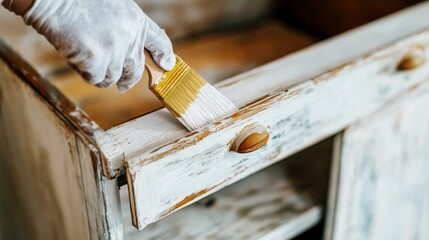
A kitchen or bathroom can start feeling outdated long before the cabinets completely wear out. Scratches, fading finishes, discoloration, and years of daily use often make cabinets look tired and worn. Many homeowners assume the only solution is a full cabinet replacement, but that is not always necessary. In many cases, refinishing existing cabinets can completely transform a room’s appearance without the cost and disruption of replacing everything.
San Jose Cabinet Refinishing has become one of the most popular home improvement options because it allows homeowners to refresh their space while preserving the original cabinet structure. From modern painted finishes to natural wood stains, there are many refinishing options available to match different design styles and budgets.
Understanding the various cabinet refinishing methods can help homeowners choose the best solution for improving the appearance, durability, and value of their home.
Why Cabinet Refinishing Is a Popular Choice
Cabinet refinishing offers several advantages compared to complete cabinet replacement. One of the biggest benefits is cost savings. Replacing cabinets entirely often involves demolition, plumbing adjustments, countertop removal, and extensive labor. Refinishing allows homeowners to keep the existing cabinet structure while updating the visible surfaces.
Another major benefit is reduced disruption. Full cabinet replacement projects can take weeks and may leave kitchens or bathrooms difficult to use during construction. Refinishing is generally faster and less invasive because the original cabinet layout remains in place.
Many homeowners also appreciate the flexibility refinishing provides. Cabinets can be updated with new colors, finishes, and hardware to create a completely different appearance without rebuilding the room from scratch.
Cabinet refinishing is also considered a more environmentally conscious option because it reduces waste. Instead of discarding usable cabinet materials, refinishing restores and reuses them for continued long term use.
For homeowners who are satisfied with the overall cabinet layout and functionality, refinishing often becomes an attractive and practical alternative to full replacement.
Painted Cabinet Refinishing Options
Painting is one of the most common cabinet refinishing methods because it dramatically changes the appearance of cabinets while allowing homeowners to customize the style of the space.
Painted cabinets work especially well for homeowners seeking a clean, modern, or updated appearance. Light colored cabinets often help kitchens and bathrooms feel larger and brighter, while darker shades create a bold and sophisticated look.
The refinishing process typically begins with cleaning and sanding the cabinet surfaces to remove grease, dirt, and old finishes. Primer is then applied to help paint adhere properly and create a smooth final appearance.
High quality cabinet paint is designed to withstand moisture, heat, and daily wear better than standard wall paint. Durable finishes help reduce chipping, peeling, and staining over time.
Painted cabinet refinishing works well on many cabinet materials, including wood and certain engineered surfaces. However, proper preparation is extremely important because poor surface preparation can lead to uneven finishes and premature wear.
Choosing the right color also plays a major role in the overall design of the room. Neutral shades remain popular because they blend easily with different countertops, flooring, and wall colors.
Cabinet Staining for a Natural Wood Appearance
Some homeowners prefer preserving the natural beauty of wood instead of covering it with paint. Cabinet staining is a refinishing option that enhances the wood grain while refreshing the overall appearance of the cabinets.
Wood stains are available in many shades ranging from light natural tones to rich dark finishes. Staining allows homeowners to modernize the appearance of older cabinets while maintaining the warmth and texture of natural wood.
The staining process usually involves stripping the old finish, sanding the wood surface, and applying a new stain evenly across the cabinets. A protective topcoat is then added to seal the surface and improve durability.
One advantage of stained cabinets is their timeless appearance. Natural wood finishes often remain visually appealing even as design trends change over time.
However, staining works best on solid wood cabinets with attractive grain patterns. Cabinets made from laminate or lower quality composite materials may not respond well to staining because the surface lacks natural wood texture.
Proper maintenance is also important because wood surfaces can still be affected by moisture, scratches, and sunlight exposure over time.
Glazing and Decorative Cabinet Finishes
For homeowners looking for a more decorative or custom appearance, glazing is another cabinet refinishing option worth considering. Glazing involves applying a semi transparent coating over painted or stained cabinets to create depth and visual texture.
This technique is commonly used to highlight cabinet details such as grooves, corners, and decorative trim. Glazed finishes can create an aged, rustic, or antique appearance depending on the style and color combination selected.
Decorative finishes may also include distressing techniques that intentionally create worn edges and textured surfaces for a vintage inspired look. These styles are often chosen for traditional or farmhouse design themes.
While glazing adds character and uniqueness to cabinets, it usually requires careful application to achieve balanced results. Professional refinishing is often recommended for homeowners seeking more detailed decorative finishes.
Glazed cabinets can make a room feel more customized and visually interesting while still preserving the original cabinet structure.
Laminate Cabinet Refinishing Options
Not all cabinets are made from solid wood. Many modern kitchens and bathrooms use laminate cabinets because they are affordable and relatively easy to maintain. Fortunately, laminate cabinets can also be refinished successfully in many cases.
Refinishing laminate surfaces requires specialized preparation because smooth laminate does not absorb paint or stain the same way natural wood does. Thorough cleaning and sanding are necessary to help coatings adhere properly.
Bonding primers designed specifically for laminate surfaces are commonly used before painting. Once prepared correctly, laminate cabinets can be refinished in many colors and styles similar to wood cabinets.
Although laminate cabinets cannot usually be stained like natural wood, painting them can still create a dramatic visual improvement. Updated hardware and modern finishes can make older laminate cabinets appear significantly newer and more stylish.
Proper application techniques are especially important for laminate refinishing because peeling and chipping may occur if the surface is not prepared carefully.
Cabinet Refacing Versus Refinishing
Many homeowners confuse cabinet refinishing with cabinet refacing, but these are different processes. Understanding the difference helps homeowners choose the option that best fits their goals and budget.
Cabinet refinishing focuses on restoring or changing the finish of existing cabinet surfaces through painting, staining, or sealing. The original cabinet doors and drawer fronts remain in place during the process.
Cabinet refacing involves replacing cabinet doors and drawer fronts while covering the existing cabinet boxes with new veneer or laminate materials. This creates a more dramatic visual transformation without removing the entire cabinet system.
Refacing may be a better option for homeowners who want a completely different cabinet style but still wish to avoid full replacement. Refinishing, on the other hand, is often more affordable when the existing cabinet design remains appealing.
The best option depends on the condition of the cabinets, the desired appearance, and the overall renovation budget.
Choosing the Right Cabinet Finish
Selecting the right cabinet finish is one of the most important parts of the refinishing process. Different finishes affect not only appearance but also durability and maintenance requirements.
Matte finishes create a soft and modern appearance while hiding fingerprints and surface imperfections more effectively. Satin finishes provide a balance between shine and practicality, making them popular for busy kitchens.
Glossy finishes reflect more light and create a sleek appearance, but they may show fingerprints, scratches, and smudges more easily.
Protective topcoats also play a major role in durability. Cabinets experience frequent contact, moisture exposure, and temperature changes, especially in kitchens and bathrooms. Durable sealants help protect refinished surfaces from damage and extend the lifespan of the cabinets.
Homeowners should also consider how cabinet finishes coordinate with countertops, flooring, lighting, and wall colors to create a cohesive overall design.
The Importance of Proper Cabinet Preparation
The success of any cabinet refinishing project depends heavily on preparation. Poor preparation is one of the most common reasons refinished cabinets develop peeling, bubbling, or uneven finishes later.
Cabinet surfaces must be cleaned thoroughly to remove grease, dust, and residue that may interfere with paint or stain adhesion. Kitchens especially accumulate oils and cooking residue over time, which can affect refinishing results.
Sanding is another essential step because it creates a textured surface that helps new finishes bond properly. Damaged areas such as cracks, dents, or loose hardware should also be repaired before refinishing begins.
Proper ventilation during refinishing is important because many products release fumes while drying. Adequate drying time between coats also improves durability and finish quality.
Whether homeowners choose professional refinishing or attempt the project themselves, preparation is critical for achieving smooth and long lasting results.
How Cabinet Refinishing Improves Home Value
Cabinet refinishing can significantly improve the appearance and value of a home without requiring a complete renovation. Kitchens and bathrooms are among the most important spaces buyers evaluate when viewing a property.
Outdated cabinets often make entire rooms appear older and less appealing. Refinishing helps modernize these spaces while creating a cleaner and more updated appearance.
Even small visual improvements can make a major difference in how a home feels overall. Fresh cabinet finishes combined with updated hardware and lighting often create the impression of a larger renovation project.
Because refinishing is generally more affordable than replacement, many homeowners view it as a cost effective way to improve both comfort and resale appeal.
Well maintained and professionally refinished cabinets can also extend the usable life of the existing cabinetry for many years.
Final Thoughts
Cabinet refinishing offers homeowners an effective way to refresh kitchens and bathrooms without the expense and disruption of full cabinet replacement. From painted finishes and natural wood stains to decorative glazing and laminate refinishing, there are many options available to match different styles and budgets.
Choosing the right refinishing method depends on cabinet materials, desired appearance, maintenance preferences, and overall design goals. Proper preparation and high quality finishes are essential for achieving durable and attractive results that last over time.
Whether homeowners prefer modern painted cabinets, warm natural wood tones, or decorative custom finishes, refinishing provides an opportunity to transform living spaces while preserving existing cabinet structures. With thoughtful planning and proper care, refinished cabinets can improve both the beauty and functionality of the home for many years to come.